Electrical problems are one of the leading causes of house fires in the United States, and most of them are preventable. The good news is that electrical safety doesn’t require an electrician’s license or a deep knowledge of wiring. It comes down to knowing the warning signs, forming a few smart habits, and understanding when to call in a professional. A little awareness goes a long way toward keeping your home and family safe.
Why Electrical Safety Should Be a Priority
Most homeowners think about electrical safety only when something goes wrong. But by that point, a problem has already developed. Proactive electrical safety means regularly checking the things you interact with every day and recognizing that your home’s wiring, outlets, and panel all have a lifespan. Older homes especially deserve a closer look, since wiring standards have changed significantly over the decades.
Know the Warning Signs of Trouble
Your home will usually tell you when something isn’t right; you just need to know what to listen and look for. Flickering or dimming lights, outlets that feel warm to the touch, frequently tripping breakers, and a persistent burning smell anywhere in the house are all red flags that shouldn’t be ignored. These aren’t quirks to live with; they’re signals that something in your electrical system needs attention. Discolored or charred outlet covers are particularly serious. Scorching around an outlet means arcing has already occurred; that’s a fire hazard that warrants an immediate call to a licensed electrician.
Everyday Electrical Safety Habits That Make a Difference
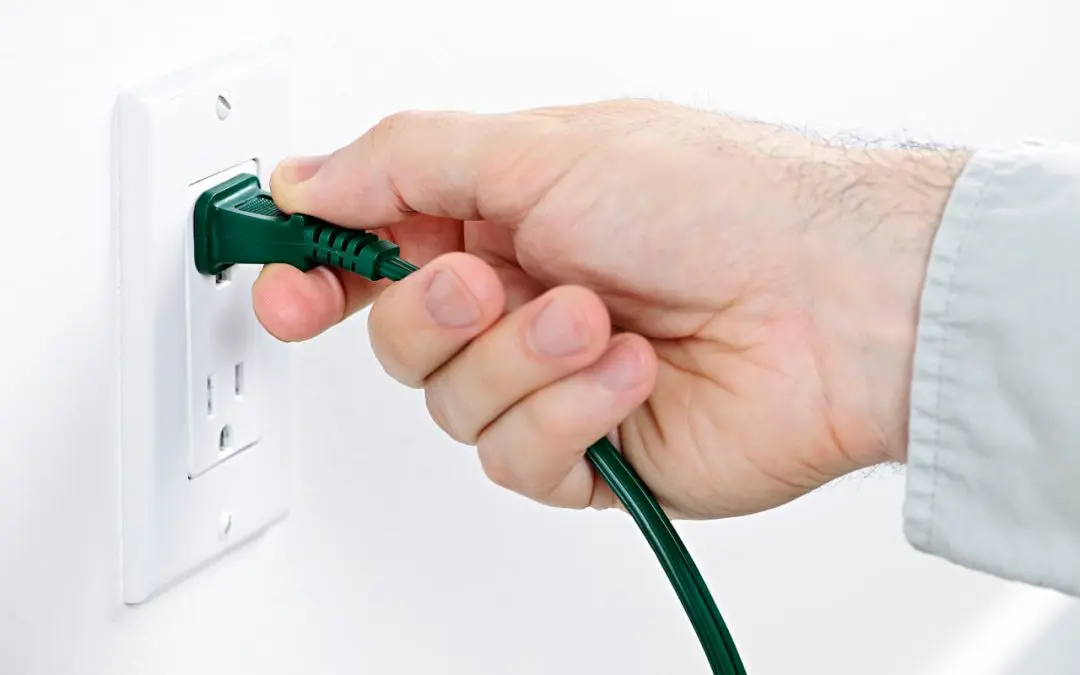
Good electrical safety starts with how you use your home day to day. Overloading outlets and power strips is one of the most common mistakes homeowners make. Every circuit in your home is designed to handle a certain load, and pushing past that by daisy-chaining power strips or running too many high-draw appliances on one circuit creates real risk. Get into the habit of unplugging small appliances when they’re not in use, especially in the kitchen and bathroom. Keep cords out from under rugs and furniture where heat can’t escape. And if a cord is frayed or a plug fits loosely in an outlet, replace it rather than working around it.
Outlets, Panels, and When to Call a Professional
Two areas that deserve specific attention are your outlets and your electrical panel. If your home still has two-prong ungrounded outlets, upgrading to three-prong grounded outlets is a worthwhile investment for both safety and functionality. Bathrooms, kitchens, garages, and outdoor areas should have GFCI outlets installed; these cut power instantly if a ground fault is detected and are a critical layer of electrical safety in moisture-prone spaces. Your electrical panel is the heart of your home’s system. If it’s making buzzing or crackling sounds, running hot, or showing signs of rust or corrosion, have it inspected without delay. Panels older than 25 to 30 years may need upgrading to safely handle the demands of a modern home.
When in doubt, always call a licensed electrician. Electrical work isn’t the place for guesswork, and the cost of a professional inspection is nothing compared to the cost and danger of an electrical fire.
Number 1 Home Inspector offers home inspection services in Charleston, South Carolina, and the surrounding Lowcountry communities. Contact us to request our services.