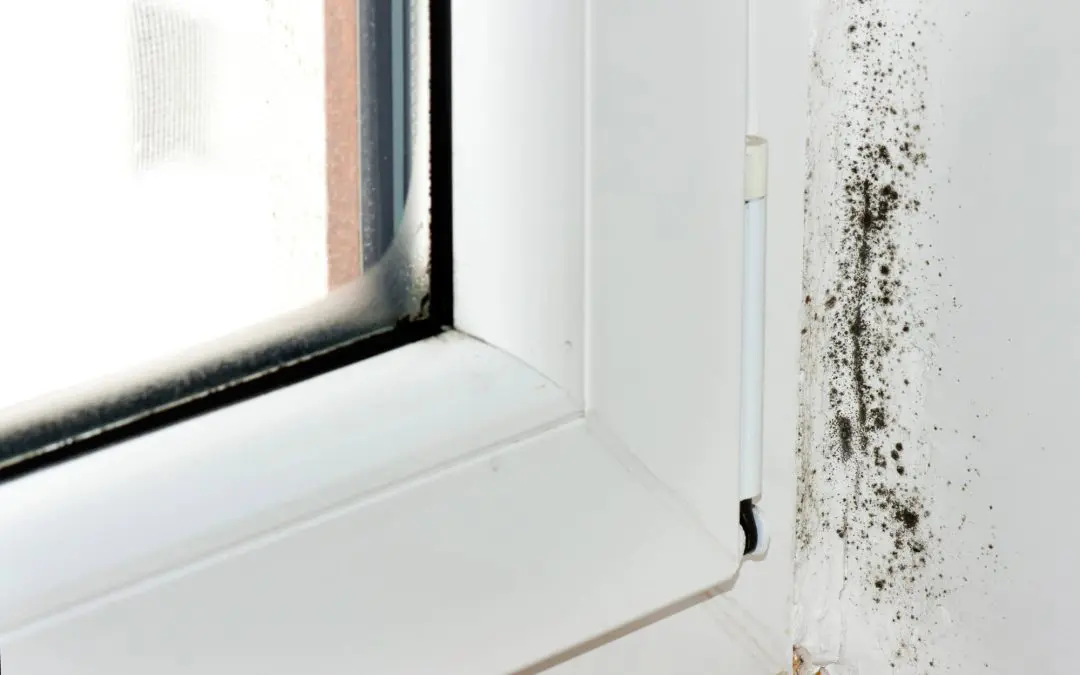
Preventing mold growth is a fundamental responsibility for any homeowner seeking to maintain a safe, stable living environment. Mold is more than just an aesthetic nuisance; it is a biological intruder that could compromise both your family’s respiratory health and the structural integrity of your property by slowly breaking down organic building materials like drywall and wood. Understanding the practical steps for maintaining a dry environment is the first step toward long-term home health and preventing the costly damage that comes with remediation. By controlling the conditions that support mold growth, such as excess humidity and stagnant air, you will help keep your home a pristine, healthy sanctuary for years to come.
Preventing Mold Growth By Controlling Humidity Levels
The single most important factor in preventing mold growth is moisture control. Mold spores are essentially everywhere, floating in the air both indoors and out, but they require a consistent water source to colonize and spread. Keeping your home’s indoor humidity levels between 30 and 50 percent is the gold standard for prevention. Investing in a simple hygrometer allows you to monitor these levels in real-time. In naturally damp areas like basements, crawlspaces, or laundry rooms, running a dehumidifier could make the difference between a fresh, usable space and a hidden breeding ground for fungal spores.
Enhancing Ventilation and Airflow
Air that sits still becomes stagnant and often traps moisture against cool surfaces, leading to localized condensation. To stay ahead of the game, you must prioritize proper ventilation throughout every room in the house. This means always running exhaust fans in the bathroom during showers and for at least twenty minutes afterward to clear the air. In the kitchen, using the range hood while boiling water or cooking is vital to move steam outside. Beyond mechanical fans, simply keeping furniture tucked an inch or two away from exterior walls allows air to circulate behind large pieces, preventing pockets of dampness from forming in hidden, dark areas where mold loves to grow.
Routine Maintenance for Preventing Mold Growth
A proactive approach to home maintenance is your best defense against unexpected moisture intrusion. Small leaks under the kitchen sink or a single loose shingle on the roof can provide enough water to start a colony within forty-eight hours. Regularly inspecting your plumbing for “sweating” pipes, cleaning out gutters to ensure water flows far away from the foundation, and checking window seals for signs of condensation are important seasonal tasks. By identifying and repairing minor leaks immediately, you eliminate the primary fuel source that mold needs to survive and thrive.
Managing Spills and Damp Materials
In a busy household, spills and dampness are inevitable, but how you respond to them determines whether a problem follows. If your basement floods or a pipe bursts, the clock starts ticking immediately. You should aim to dry out any saturated materials, such as carpets, upholstery, or drywall, within twenty-four to forty-eight hours. Using high-powered fans and professional-grade wet vacuums can significantly speed up this process. If items remain wet longer than this short window, the risk of fungal development increases exponentially. Staying vigilant with a “dry-fast” mentality ensures that a minor accident doesn’t turn into a costly remediation project.
Number 1 Home Inspector offers home inspection services in Charleston, South Carolina, and the surrounding Lowcountry communities. Contact us to request our services.